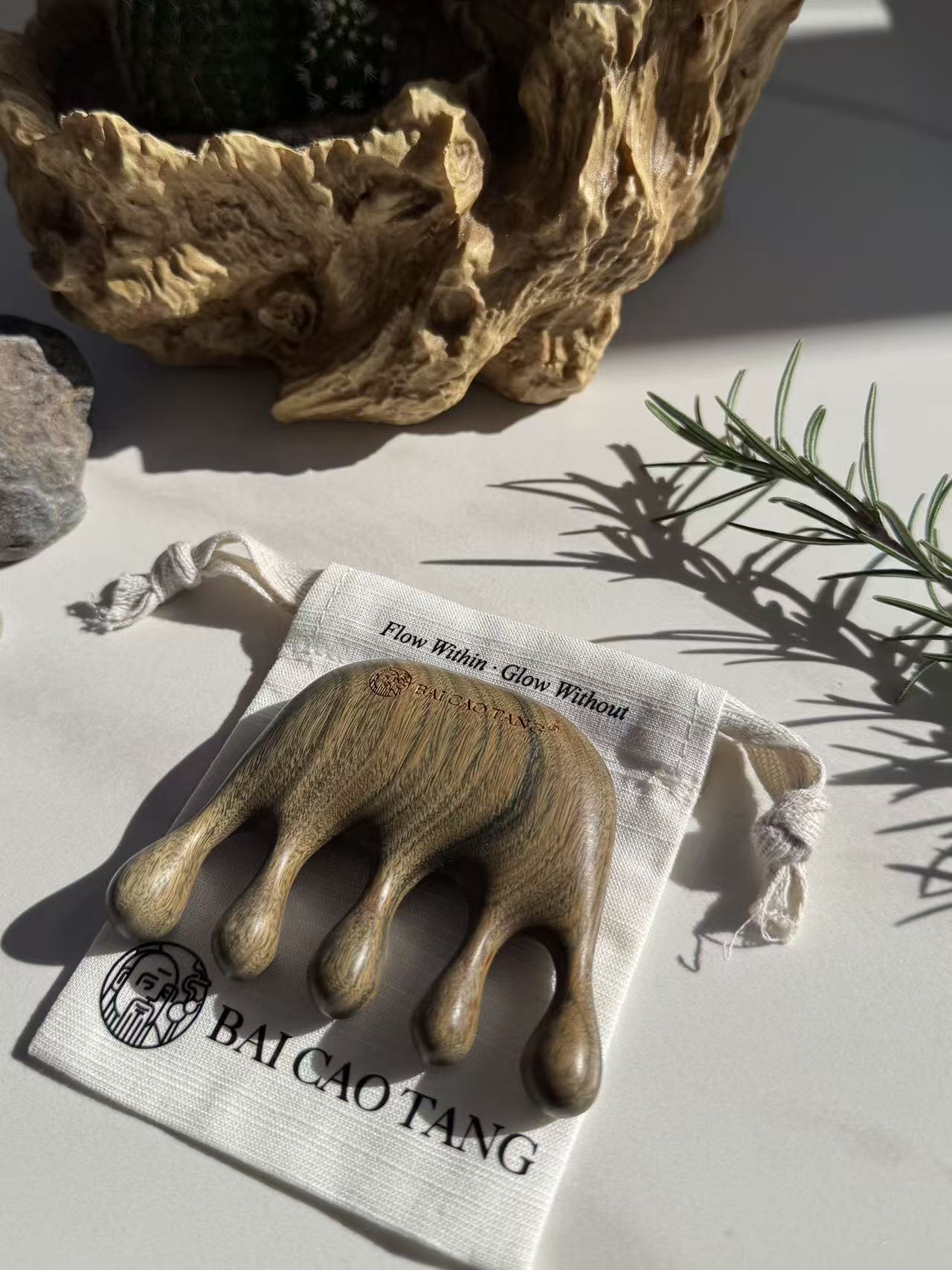
The tool is beautiful. The intention is sincere. For three evenings, the ritual happens exactly as planned—then work runs late, the tool disappears into a drawer, and “daily” quietly becomes “someday”.
This is not proof that you lack discipline. It may simply mean the action has too many decisions attached to it.
Habit research suggests that repetition becomes easier when the context stays recognisable: the same place, the same preceding action and a behaviour small enough to begin without negotiation.
The 21-day promise is too neat for real life
A 2024 systematic review and meta-analysis examined 20 studies involving 2,601 participants. The behaviours ranged from physical activity and healthy eating to flossing, drinking water and reducing sedentary time.
Only four included studies directly reported the time needed to reach habit formation. Their median estimates ranged from 59 to 66 days; mean estimates ranged from 106 to 154 days. Across individuals, the reported range was much wider: 4 to 335 days.
The useful lesson is not that your ritual needs exactly 66 days. It is that there is no universal countdown. Behaviour complexity, frequency, timing, personal choice and how pleasant the action feels can all shape the process.

A ritual becomes lighter when the cue carries some of the work
A habit is not simply a behaviour performed many times. In behavioural science, it is often described as an impulse to act that is learned through repeated pairing with a cue or context.
The cue might be a place, a time, an object or an action that already happens. “Massage my neck tonight” is an intention. “After I switch on the bedside lamp, I make three slow passes along each forearm” is a cue, a moment and a defined action.
A USEFUL DESIGN QUESTION
What already happens every day, immediately before the ritual you want to keep?
The three-cue ritual
Start by designing for the day when motivation is ordinary—not the day when everything feels possible.

Choose one moment
Attach the ritual to something stable: after the kettle, after evening skincare, when the laptop goes into its bag, or before the bedside lamp. Choose one.
Shrink the action
“Full-body massage” is a project. Two minutes across one area is a starting line. Stop while tomorrow's repetition still feels plausible.
Leave a visual cue
Give the clean, dry tool one visible home on a folded cloth or in its linen pouch, away from direct sun and wet areas.
What if you miss a day?
One interrupted repetition does not erase everything that came before it. In the classic real-world habit study by Lally and colleagues, missing one opportunity did not materially disrupt the habit-formation process.
The better response is not punishment or doubling the next session. Return to the same cue and do the smallest version of the action.
If interruptions keep happening, adjust the design: choose a more reliable cue, reduce the duration, give the tool a visible dry home or choose a more comfortable action. Consistency is information. So is friction.
Why touch can make a ritual memorable
Habit studies have not established that wood, fragrance or massage tools create automatic behaviour. But a tactile object can make a routine easier to identify.
Solid South American Green Sandalwood has a naturally warm contact, visible grain and subtle woody aroma. Those sensory details distinguish the ritual from the phone, keyboard and plastic objects that fill much of the day.

ONE OBJECT · FOUR TACTILE EDGES
Give your ritual a place to begin
The 5-Tooth Sandalwood Pocket Meridian Comb offers rounded teeth, a smooth side, a curved edge and a broad base within one palm-sized form. It is carved from solid South American Green Sandalwood and hand-polished without lacquer or synthetic coating.
Use it for external self-massage only, with comfortable pressure and no aggressive scraping. Wipe the wood promptly with a soft cloth and return it to a cool, dry place.
GIVE YOUR RITUAL A PLACE TO BEGINReal Bai Cao Tang product photograph. The product outline, logo and natural wood grain have not been redrawn.
MELBOURNE CLINIC ROOTS
Regularity without rigidity
Bai Cao Tang Wellness grew alongside a Melbourne Traditional Chinese Medicine clinic. Traditional practice often gives value to rhythm, observation and small acts repeated over time. That is a cultural and clinical philosophy—not proof that one ritual or tool will produce a particular medical outcome.
Our registered Chinese medicine practitioner brings a simple guardrail to home education: the routine should remain comfortable, proportionate and easy to stop. If self-massage aggravates symptoms or a health concern persists, individual professional advice matters more than maintaining a streak.
A seven-day starting experiment
Do not use the first week to judge whether the action has become automatic. Use it to refine the setup.
Does the chosen event happen reliably? Can you see the tool at the right moment?
Can the action still fit on a busy evening? If not, make it shorter.
Is the contact comfortable? Do you enjoy the pace and selected area?
Wipe the tool, return it to the same place and adjust only one element.
Frequently asked questions
Does it take 21 days to build a wellness habit?
There is no universal 21-day rule. The 2024 review found substantial variation, with only four included studies directly reporting time to habit formation.
Is 66 days the correct target?
It is better understood as a median reported in some studies, not a deadline. Mean estimates were longer, and individual results ranged widely.
Should I perform the ritual every day?
Frequent repetition can support habit strength, but the schedule should remain realistic and comfortable. A missed day does not require a longer or harder session.
Can the same tool be used for different body areas?
The 5-Tooth Pocket Meridian Comb has several smooth contact zones intended for scalp, face, neck and body self-massage. Clean it with a soft cloth between uses and avoid broken or irritated skin.
References
- Singh B, Murphy A, Maher C, Smith AE. Time to Form a Habit: A Systematic Review and Meta-Analysis of Health Behaviour Habit Formation and Its Determinants. Healthcare. 2024;12(23):2488. DOI.
- Lally P, van Jaarsveld CHM, Potts HWW, Wardle J. How are habits formed: Modelling habit formation in the real world. European Journal of Social Psychology. 2010;40(6):998–1009. DOI.
- Gardner B, Lally P, Wardle J. Making health habitual: the psychology of habit-formation and general practice. British Journal of General Practice. 2012;62(605):664–666. DOI.
- Gardner B. A review and analysis of the use of habit in understanding, predicting and influencing health-related behaviour. Health Psychology Review. 2015;9(3):277–295. PubMed.
General information only. Habit-formation evidence is heterogeneous and often relies on self-report; most studies in the 2024 review had high risk of bias, and none tested a Bai Cao Tang product or self-massage ritual. Use external self-massage only on comfortable, intact skin and seek professional advice for persistent or worsening symptoms.